Foundation Patching in East Austin, TX
Foundation patching in East Austin, TX is a targeted repair method used to seal cracks, repair surface deterioration, and prevent moisture intrusion in concrete and masonry foundations. In East Austin, expansive clay soils, intense summer heat, and sudden heavy rain events create conditions that cause small cracks and surface spalling to develop over time. Neighborhoods such as Cherrywood and Govalle contain many mid-century homes where minor foundation cracks often appear due to soil movement and seasonal moisture fluctuations. Structural Guard Foundation Repair provides professional foundation patching in East Austin, TX to restore structural integrity and prevent water entry. From historic bungalows in Rosewood to commercial properties near East Riverside, our team understands how local soil expansion, drought cycles, and flash flooding affect concrete foundations and masonry systems.
Understanding Foundation Patching
Foundation patching is the process of repairing small cracks, chips, voids, and surface deterioration in concrete or masonry foundations. This repair method is designed to seal water entry points, prevent crack expansion, and restore surface integrity before minor damage develops into structural failure.
Foundation patching became increasingly necessary in East Austin homes built between the 1940s and 1980s when slab-on-grade foundations became common. These foundations were poured directly over expansive clay soils of the Blackland Prairie region. While effective, they are prone to shrinkage cracks and surface deterioration caused by soil movement and heat exposure.
Today, foundation patching is frequently performed in neighborhoods like Windsor Park, University Hills, and East Cesar Chavez, where concrete slabs experience seasonal movement and moisture intrusion. It is estimated that over 60% of homes in East Austin experience minor foundation cracking at some point due to soil shrink-swell cycles. Addressing foundation gaps early also helps prevent moisture migration that can affect structural components and interior conditions, supporting a complete home protection approach alongside a durable Roofing Solution.
Advantages
Prevents water intrusion and moisture damage
Stops crack expansion and structural deterioration
Improves foundation durability
Enhances property appearance
Limitations
Not intended for severe structural failure
May require additional stabilization if movement continues
Must address underlying soil or drainage issues
When combined with foundation repair services and drainage corrections, patching provides long-term protection. Working with a trusted roofing contractor and foundation specialist ensures both the base structure and the roof system remain protected from moisture-related damage.
Why East Austin Homes Need Foundation Patching
East Austin sits on expansive clay soils containing montmorillonite minerals, which can expand when saturated and shrink dramatically during drought. These soils can change volume by up to 30%, placing stress on slab foundations and causing surface cracking. Combined with Austin’s extreme heat, heavy rainfall, and rapid temperature shifts, minor cracks commonly form and widen over time.
Shrinkage Cracks from Drought and Soil Movement
The Mechanism:
During dry periods, clay soil contracts and pulls away from the foundation. When moisture returns, soil expands unevenly, causing stress fractures in concrete.
Symptoms:
Hairline cracks along foundation walls
Small cracks at corners and joints
Surface separation near control joints
Local Factors:
The 2011 Central Texas drought caused widespread soil shrinkage, followed by crack formation after rains returned in 2012. Homes in Windsor Park and University Hills were particularly affected.
Water Intrusion Through Small Foundation Cracks
The Mechanism:
Heavy rainfall saturates clay soils, forcing moisture through small cracks and cold joints in the foundation.
Symptoms:
Damp interior walls near slab edges
Water seepage during storms
Efflorescence (white mineral residue)
Local Factors:
Flash flooding events in East Austin’s low-lying areas near Boggy Creek can push groundwater toward foundations, increasing seepage risk.
Surface Spalling from Heat and Moisture Cycling
The Mechanism:
Extreme heat causes concrete expansion, while moisture infiltration leads to surface scaling and flaking.
Symptoms:
Small chips and flaking concrete
Surface deterioration near grade level
Rough or pitted foundation surfaces
Local Factors:
Austin’s summer temperatures regularly exceed 100°F, accelerating thermal expansion and surface wear.
Honeycombing and Construction Voids
The Mechanism:
Improper concrete consolidation during original construction can leave small voids that allow moisture penetration.
Symptoms:
Small holes in foundation surface
Localized water seepage
Visible aggregate exposure
Local Factors:
Older homes built during rapid post-war growth in East Austin sometimes show these defects due to older construction practices.
Signs You Need Foundation Patching
Interior Signs
Moisture stains near baseboards
Musty odors after rain
Efflorescence or damp spots
Exterior Signs
Hairline cracks in foundation walls
Small chips or surface deterioration
Water stains on foundation exterior
Foundation-Specific Indicators
Cracks at slab corners or joints
Cold joint seepage during storms
Small voids or honeycomb areas
Call immediately if cracks widen beyond 1/4 inch or water intrusion worsens after storms.
How We Perform Foundation Patching in East Austin, TX
Step 1: Detailed Foundation Assessment
We inspect cracks, surface damage, and moisture pathways. Soil conditions and drainage patterns are evaluated to determine underlying causes.
Step 2: Crack Preparation
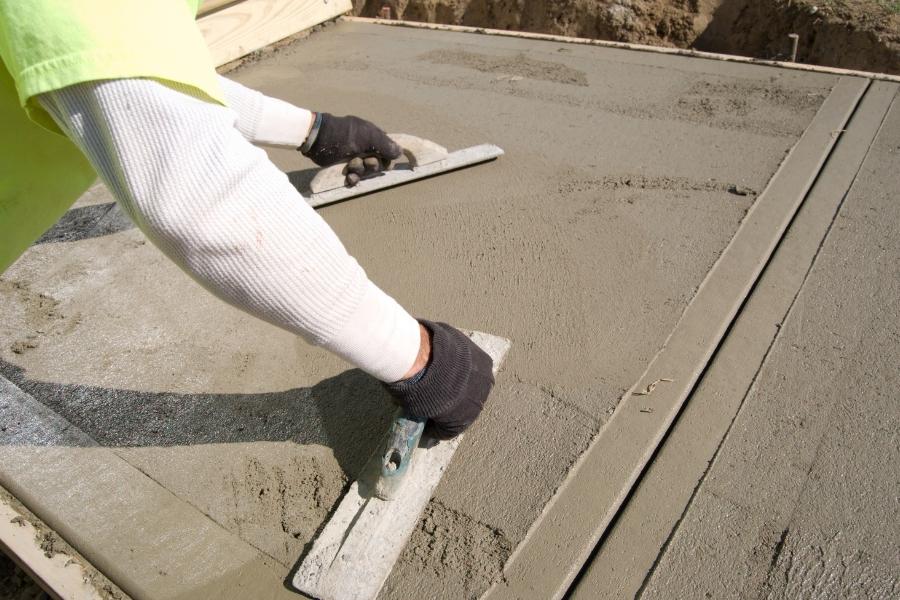
Loose material and debris are removed. Cracks are widened slightly to allow proper bonding of repair compounds.
Step 3: Structural Filling & Sealing
High-strength epoxy or polyurethane injection is used for crack sealing. Cementitious patch materials restore surface integrity.
Step 4: Surface Restoration
Spalled areas are resurfaced and smoothed to restore durability and appearance.
Step 5: Waterproofing Protection
Sealants or waterproof coatings are applied to prevent moisture intrusion.
Step 6: Drainage & Prevention Recommendations
We identify grading or drainage improvements to prevent future cracking.
Step 7: Final Inspection
Repairs are reviewed to ensure durability and watertight sealing.
Typical timeline: 1–3 days depending on number of cracks and surface damage.
Foundation Patching Methods and Approaches
Epoxy Injection
Used for structural crack sealing and restoring concrete strength.
Polyurethane Foam Injection
Expands to fill voids and stop water intrusion.
Cementitious Patching
Repairs spalling and surface deterioration.
Hydraulic Cement Sealing
Stops active water seepage quickly.
Surface Resurfacing Compounds
Restore protective surface layers and improve durability.
These methods are selected based on crack size, moisture presence, and soil movement conditions in East Austin.
Foundation Patching Cost in East Austin, TX
Foundation patching in East Austin, TX typically costs between $500 and $3,500, depending on severity and scope.
Typical Costs
Hairline crack sealing: $500 – $1,200
Multiple crack repairs: $1,200 – $2,500
Surface spalling & patch restoration: $2,000 – $3,500
Local Cost Factors
Homes in flood-prone zones may require waterproofing
Historic homes may require specialized repair materials
Soil movement may require monitoring or additional stabilization
Accessibility and landscaping can affect labor costs
Preventative patching is significantly more affordable than full foundation crack repair or structural foundation repair services.
East Austin Neighborhoods We Serve
Cherrywood – Mid-century slab homes frequently experience shrinkage cracks from soil movement.
Govalle – Low-lying areas prone to water intrusion and foundation seepage.
Rosewood – Historic homes require careful patching to preserve original masonry.
Windsor Park – Expansive clay soils create seasonal cracking patterns.
East Cesar Chavez – Mixed residential and commercial properties benefit from waterproof sealing solutions.
Maintaining Your Foundation in East Austin
Maintain consistent soil moisture around your home
Ensure proper drainage away from the foundation
Repair small cracks promptly
Monitor cracks after drought or heavy rain
Keep gutters and downspouts clear
Inspect foundation annually for changes
Avoid planting large trees near foundation edges
Schedule inspections after extreme weather events
Preventative maintenance reduces the risk of costly structural repairs.
Why East Austin Property Owners Choose Structural Guard Foundation Repair
Structural Guard Foundation Repair is a locally owned company specializing in foundation solutions tailored to Austin’s expansive clay soils and climate conditions. Our team provides reliable foundation patching services that prevent minor cracks from becoming major structural problems.
Property owners trust us because we:
Understand East Austin soil movement and moisture patterns
Provide durable, long-lasting patching solutions
Offer preventative strategies to avoid future damage
Deliver expert foundation repair contractors with local expertise
Coordinate with full foundation repair services when needed
We also collaborate with specialists such as Round Rock Foundation Repair Group when broader structural evaluations are required.
Frequently Asked Questions About Foundation Patching
How long does foundation patching take?
Most repairs take 1–3 days depending on the number and size of cracks.
How much does foundation patching in East Austin cost?
Costs typically range from $500 to $3,500 based on crack severity and surface damage.
Will patching stop water leaks?
Yes, sealing cracks and voids prevents water intrusion and moisture seepage.
Why do East Austin foundations crack so often?
Expansive clay soil, drought cycles, and heavy rains cause shrink-swell movement that stresses concrete.
Is foundation patching a permanent repair?
When underlying moisture and drainage issues are addressed, patching can provide long-lasting protection.
Do small cracks need repair immediately?
Yes. Sealing hairline cracks early prevents expansion and water damage.
When should I consider foundation crack repair instead?
If cracks exceed 1/4 inch or show displacement, structural repair may be necessary.
Can patching improve my home’s appearance?
Yes. Surface restoration improves curb appeal and protects the foundation surface.
If you’ve noticed cracks, surface deterioration, or moisture around your foundation, Structural Guard Foundation Repair provides professional foundation patching in East Austin, TX to protect your home or building. We proudly serve East Austin neighborhoods including Cherrywood, Rosewood, and Windsor Park. Schedule your free inspection today to prevent minor cracks from becoming major structural issues and keep your foundation strong for years to come.