Crawl Space Repair in East Austin, TX
Crawl space repair in East Austin, TX addresses moisture intrusion, structural deterioration, and air quality issues that develop beneath homes and commercial buildings. In East Austin, expansive clay soils, seasonal humidity spikes, and sudden heavy rain events create ideal conditions for crawl space damage. Neighborhoods such as Govalle and Cherrywood feature many pier-and-beam homes where crawl spaces are essential structural components but are also vulnerable to moisture accumulation and wood deterioration.
Understanding Crawl Space Systems
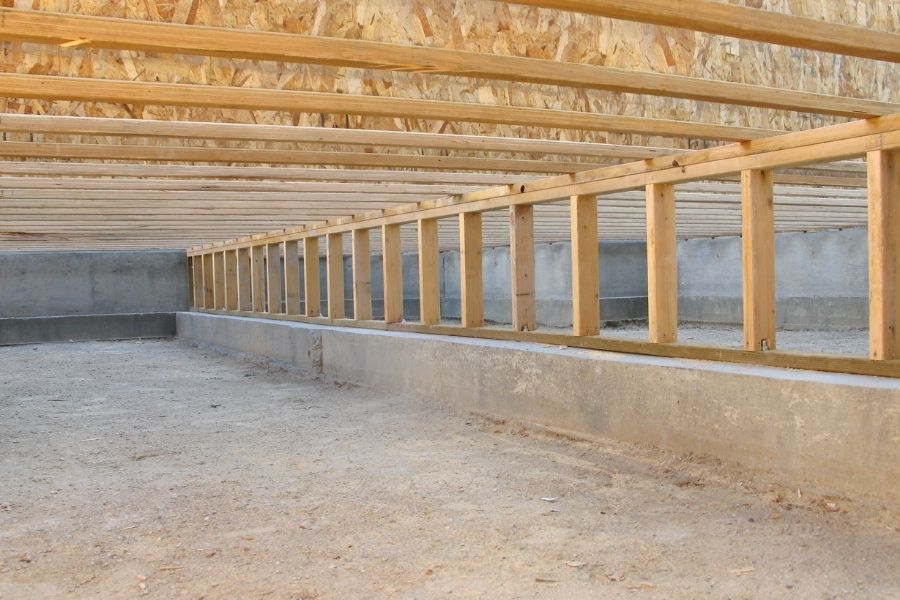
A crawl space is the shallow, unfinished area beneath a building that elevates the structure above the ground. This design became common in East Austin homes built between the 1920s and 1970s because pier-and-beam construction performed better than slab foundations on expansive Blackland Prairie clay soils. Elevating structures helped manage soil movement and provided access to plumbing, electrical lines, and HVAC systems.
Today, crawl spaces remain prevalent in neighborhoods such as Rosewood, Windsor Park, and University Hills, particularly in Craftsman bungalows and mid-century homes. It is estimated that over 35–45% of older homes in East Austin rely on crawl space foundations. While not directly related to Roofing materials, maintaining structural stability below the home helps prevent moisture intrusion and hidden roof problems caused by trapped humidity migrating upward into attic spaces.
Advantages
Provides access to plumbing and utilities
Elevates structure above shifting soil
Eases foundation leveling and repairs
Helps mitigate minor flooding impacts
Disadvantages
Vulnerable to moisture buildup
Attracts pests and rodents
Can lead to wood rot and mold growth
Poor insulation can reduce energy efficiency
Modern crawl space repair improves these older systems by controlling moisture, reinforcing structural supports, and improving airflow or encapsulation. When properly maintained, the crawl space contributes to a healthier structure overall and complements a complete home protection strategy alongside a durable Roofing Solution installed by a trusted roofing contractor.
Why East Austin Homes Need Crawl Space Repair
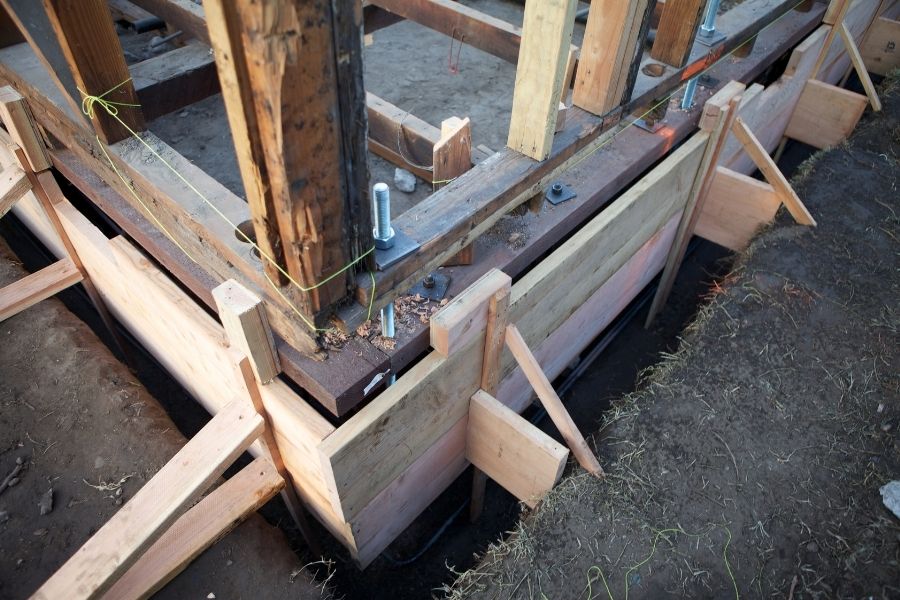
East Austin sits atop expansive clay soils rich in montmorillonite, which expand when wet and shrink during drought. These soils can change volume by up to 20–30%, placing stress on foundation piers and crawl space supports. Combined with Austin’s climate — including sudden downpours, high humidity, and intense summer heat — crawl spaces can become moisture traps that accelerate structural deterioration.
Moisture Intrusion from Expansive Clay & Storm Runoff
The Mechanism:
Heavy rain events saturate clay soils, causing them to swell and push moisture into crawl spaces. East Austin’s low-lying areas near Boggy Creek and Walnut Creek experience runoff pooling during storms.
Symptoms:
Standing water beneath the home
Damp soil and condensation on ductwork
Musty odors entering living spaces
Local Factors:
Flash flooding events in 2013 and 2015 demonstrated how rapid rainfall can overwhelm drainage systems. Homes in Govalle and East Riverside are particularly susceptible due to lower elevations.
Wood Rot and Mold from High Humidity
The Mechanism:
Austin’s summer humidity often exceeds 70%, allowing moisture to accumulate under homes. When ventilation is inadequate, humidity condenses on cooler crawl space surfaces.
Symptoms:
Mold growth on joists and beams
Wet insulation falling from subflooring
Fungus and wood decay
Local Factors:
Shaded properties beneath mature live oak and pecan trees retain moisture longer, increasing fungal growth risk.
Structural Sagging from Pier Settlement
The Mechanism:
During drought periods, clay soil shrinks and pulls away from support piers. When rains return, softened soils allow piers to settle unevenly.
Symptoms:
Bouncy or uneven floors
Sagging beams between piers
Doors and windows sticking
Local Factors:
The 2011 Central Texas drought caused widespread soil shrinkage, followed by settlement when rains returned in 2012.
Pest Intrusion and Air Quality Issues
The Mechanism:
Open crawl space vents and moisture attract rodents, termites, and wood-destroying insects.
Symptoms:
Pest droppings or nesting
Increased allergies or respiratory irritation
Drafty floors and energy loss
Local Factors:
East Austin’s warm climate allows termites to remain active year-round, especially in damp environments.
Signs You Need Crawl Space Repair
Interior Signs
Musty odors inside the home
Floors feel soft, bouncy, or uneven
Increased allergy symptoms or poor indoor air quality
Cold floors in winter months
Exterior & Structural Signs
Standing water beneath the home
Sagging beams or deteriorating piers
Mold or fungus on wood supports
Insulation falling or missing
Crawl Space-Specific Indicators
HVAC ducts sweating or rusting
Visible termite activity
Rodent entry points or nesting
Call immediately if you notice structural sagging, mold growth, or persistent moisture after heavy rain.
How We Perform Crawl Space Repair in East Austin, TX
Step 1: Comprehensive Crawl Space Inspection
We evaluate moisture levels, structural supports, and ventilation conditions. Soil movement and drainage patterns specific to East Austin are assessed.
Step 2: Moisture Source Control
We address drainage problems, install grading corrections, and redirect runoff. This is critical in areas near Walnut Creek and low-lying neighborhoods.
Step 3: Structural Stabilization
Damaged joists and beams are reinforced or replaced. Piers are adjusted to correct settlement caused by clay soil movement.
Step 4: Vapor Barrier Installation
A heavy-duty moisture barrier is installed to block ground moisture and humidity infiltration.
Step 5: Encapsulation & Vent Sealing
Where appropriate, we seal crawl space vents and install encapsulation systems to regulate humidity.
Step 6: Dehumidification & Ventilation Improvements
We install dehumidifiers or controlled ventilation systems to maintain optimal humidity levels.
Step 7: Final Inspection & Air Quality Check
We ensure structural stability, proper moisture control, and improved indoor air quality.
Typical timeline: 3–7 days depending on structural repairs and moisture remediation.
Crawl Space Repair Methods and Approaches
Vapor Barrier Installation
Prevents moisture from rising through soil. Essential for homes with dirt floors.
Crawl Space Encapsulation
Seals the crawl space to control humidity and prevent mold growth. Highly effective in humid Austin summers.
Structural Reinforcement
Sistering joists and installing new piers improves load distribution.
Drainage & Sump Systems
Used in flood-prone areas to remove standing water.
Dehumidification Systems
Maintains humidity below 60% to prevent mold and wood decay.
Crawl Space Repair Cost in East Austin, TX
Crawl space repair in East Austin, TX typically ranges from $2,500 to $15,000, depending on severity and scope.
Typical Costs
Minor moisture control: $2,500 – $5,000
Structural repairs & insulation: $5,000 – $10,000
Full encapsulation & drainage: $10,000 – $15,000+
Local Cost Factors
Homes near Boggy Creek may require drainage systems
Historic homes in Cherrywood often need structural reinforcement
Clay soil settlement may require additional pier adjustments
City permit requirements and accessibility can affect labor costs
Encapsulation improves energy efficiency, reducing utility costs over time.
East Austin Neighborhoods We Serve
Cherrywood – Mid-century homes with crawl spaces vulnerable to moisture and aging supports.
Govalle – Lower elevations near waterways create drainage challenges and humidity buildup.
Rosewood – Historic pier-and-beam homes require structural reinforcement and ventilation upgrades.
Windsor Park – Ranch-style homes benefit from encapsulation and insulation improvements.
Mueller – Mixed residential and commercial structures require modern crawl space moisture control.
Maintaining Your Crawl Space in East Austin
Keep gutters and downspouts directing water away from the foundation
Inspect crawl spaces after heavy rainstorms
Maintain proper grading around your property
Monitor humidity levels during summer months
Schedule termite inspections annually
Replace damaged insulation promptly
Seal openings to prevent pests
Schedule professional inspections every 2–3 years
Preventative maintenance helps avoid costly structural repairs.
Why East Austin Property Owners Choose Structural Guard Foundation Repair
Structural Guard Foundation Repair is a locally owned company specializing in crawl space and foundation solutions tailored to Austin’s expansive clay soils and humid climate. Our team has extensive experience stabilizing historic pier-and-beam homes and improving crawl space performance in East Austin neighborhoods.
Property owners choose us because we:
Understand East Austin soil and drainage conditions
Specialize in moisture control and structural stabilization
Provide solutions tailored to historic and modern structures
Offer long-term protection against mold and structural decay
Deliver dependable workmanship and warranty-backed repairs
We also coordinate with foundation repair services and foundation crack repair specialists when structural concerns extend beyond the crawl space.
Frequently Asked Questions About Crawl Space Repair
How long does crawl space repair take in East Austin?
Most projects take 3–7 days depending on moisture damage, structural repairs, and encapsulation requirements.
How much does crawl space repair in East Austin, TX cost?
Costs typically range from $2,500 to $15,000 depending on moisture control needs and structural reinforcement.
Can I stay in my home during crawl space repairs?
Yes. Most repairs occur beneath the home and do not disrupt daily living.
Why do East Austin homes need crawl space repair more often?
Expansive clay soil, humidity, and heavy rain events create moisture conditions that accelerate wood decay and structural settlement.
Should crawl space vents be closed in Austin’s climate?
In many cases, encapsulation and sealed vents perform better by controlling humidity and preventing moisture intrusion.
Will crawl space repair improve indoor air quality?
Yes. Removing moisture and mold reduces airborne contaminants entering the home.
Do I need foundation repair if my floors are sagging?
Sagging floors often originate in crawl space supports, but severe settlement may require evaluation by expert foundation repair contractors.
Is encapsulation worth it in East Austin?
Encapsulation is highly effective in humid climates and helps prevent mold, pests, and energy loss.
If you notice musty odors, sagging floors, or moisture beneath your home, Structural Guard Foundation Repair offers professional crawl space repair in East Austin, TX. Our inspections identify moisture sources, structural concerns, and air quality risks so you can protect your property and improve indoor comfort. We proudly serve East Austin and surrounding communities including Cherrywood, Govalle, and Windsor Park. Contact us today to schedule your free crawl space inspection and ensure your home remains stable, dry, and energy efficient for years to come.